
Posted by Dee Cee Labs on Dec 15th 2025
Iron and Circulation
Iron plays a foundational role in circulation, energy production, and tissue oxygenation. For chiropractors and patients alike, understanding how iron status affects blood flow, muscular endurance, and neurological health is essential. Many musculoskeletal complaints seen in clinical practice are influenced not only by biomechanics, but also by the body’s ability to deliver oxygen and nutrients to tissues efficiently. Iron deficiency is far more common than many realize and can significantly impair circulation, healing, and overall chiropractic outcomes.
Why Iron Is Essential for Healthy Circulation
Iron is a core component of hemoglobin, the protein in red blood cells responsible for carrying oxygen from the lungs to every tissue in the body. Without adequate iron, hemoglobin levels decline, reducing the blood’s oxygen carrying capacity. This results in poor tissue oxygenation, fatigue, muscle weakness, and slower healing responses.
From a chiropractic perspective, oxygen delivery is critical for maintaining healthy muscles, ligaments, discs, and nerves. Poor circulation contributes to muscle tightness, delayed recovery after adjustments, increased inflammation, and reduced tissue resilience. Iron deficiency does not simply cause fatigue. It creates a systemic environment where the body struggles to repair and maintain musculoskeletal integrity.
The Connection Between Iron and Muscular Performance
Muscles are highly metabolically active tissues. They require a continuous oxygen supply to generate ATP, the energy molecule that powers contraction and relaxation. When iron levels are suboptimal, muscles shift toward inefficient energy production pathways, leading to early fatigue and accumulation of metabolic byproducts.
Patients with low iron often report muscle soreness, weakness, cramping, or an inability to sustain physical activity. These symptoms can interfere with rehabilitation exercises, postural correction, and adjustment retention. Supporting iron status helps muscles maintain proper tone and endurance, allowing chiropractic care to be more effective and longer lasting.
Iron and Neurological Function
The nervous system is another major beneficiary of healthy circulation. Nerves rely on oxygen and nutrient delivery to maintain signal transmission and repair myelin sheaths. Iron plays a role in neurotransmitter synthesis and nerve conduction, making it essential for proper neuromuscular coordination.
Inadequate iron levels can contribute to symptoms such as brain fog, dizziness, restless sensations, and poor concentration. For chiropractic patients experiencing nerve related pain or reduced neuromuscular control, optimizing iron status can support clearer signaling between the brain, spinal cord, and peripheral tissues.
How Iron Deficiency Impacts Chiropractic Outcomes
Iron deficiency can quietly undermine even the most well-designed treatment plans. Common signs that iron may be contributing to poor progress include:
-
Persistent fatigue despite adequate sleep
-
Cold hands and feet due to reduced peripheral circulation
-
Slow recovery from soft tissue work or adjustments
-
Frequent muscle soreness or tightness
-
Shortness of breath during mild activity
When circulation is compromised, tissues remain inflamed longer and respond less efficiently to mechanical correction. Addressing iron status allows the body to better utilize chiropractic adjustments by improving oxygen delivery and metabolic efficiency.
Iron, Inflammation, and Healing
Adequate iron levels support immune function and cellular repair processes. Red blood cells transport oxygen not only for energy production, but also for collagen synthesis and tissue remodeling. These processes are essential for ligament healing, disc health, and muscular recovery.
Chronic iron deficiency can prolong inflammatory responses, increasing pain sensitivity and delaying resolution of injuries. By supporting proper iron levels, chiropractors help create a physiological environment that favors healing rather than compensation.
Who Is at Risk for Low Iron Levels
Iron deficiency does not only affect one population. There are many people at risk, including:
-
Women of reproductive age
-
Endurance athletes
-
Older adults with reduced nutrient absorption
-
Individuals with digestive disorders
-
Patients following restrictive or plant based diets
Digestive health is especially important, as iron absorption occurs primarily in the small intestine. Conditions that impair gut function can significantly reduce iron uptake even when dietary intake appears adequate.
Supporting Iron Status Through Nutrition and Supplementation
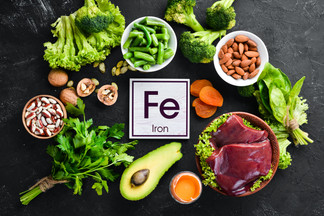
Iron rich foods include red meat, poultry, fish, legumes, and leafy greens. However, dietary iron alone is often insufficient for individuals with increased demands or absorption challenges. In these cases, supplementation becomes an important tool.
When recommending iron supplements, form matters. Poorly absorbed forms can cause digestive discomfort and poor compliance. Highly bioavailable forms support circulation without unnecessary gastrointestinal stress.
Iron Glycinate by Dee Cee Laboratories
Iron Glycinate stands out as a gentle yet effective option for supporting healthy iron levels. This chelated form of iron is designed for improved absorption and reduced digestive irritation compared to conventional iron salts. For chiropractic patients, this means better compliance and more consistent improvements in circulation and energy.
Iron Glycinate supports:
-
Healthy red blood cell production
-
Improved oxygen delivery to muscles and nerves
-
Enhanced endurance and reduced fatigue
-
Faster tissue recovery and healing
-
Better tolerance for physical activity and rehabilitation
This supplement is particularly well suited for patients who have struggled with traditional iron products or who require long term nutritional support for circulation and energy.
Integrating Iron Support Into Chiropractic Care
Chiropractic care focuses on restoring alignment, mobility, and nervous system function. Nutritional support ensures that the body has the biochemical resources necessary to respond to that care. Iron plays a central role in this partnership by supporting circulation, oxygenation, and cellular energy.
By addressing iron status when appropriate, chiropractors can help patients experience stronger muscles, clearer neurological function, reduced inflammation, and improved adjustment retention. Iron is not just a nutrient for preventing anemia. It is a key contributor to the physiological foundation that allows chiropractic care to deliver lasting results.