
Posted by Dee Cee Labs on Oct 12th 2026
Bone, Muscle, and Joint Health: Why None of Them Work Alone
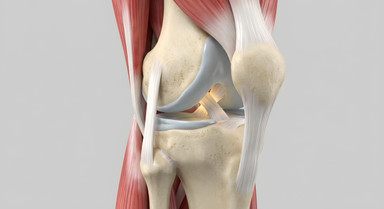
Bones, muscles, and joints are often discussed as separate parts of the body, but healthy movement depends on all three working together. Bones provide structure, muscles create movement, and joints allow that movement to happen smoothly.
When one part of this system is not functioning well, the others often have to compensate. Supporting the entire musculoskeletal system through movement, nutrition, and healthy lifestyle habits can help promote strength, stability, mobility, and long-term wellness.
Bones Provide the Framework
Bones give the body structure and provide attachment points for muscles. They also help protect internal organs and store important minerals such as calcium and phosphorus.
Bone tissue is constantly being renewed through a process of breakdown and rebuilding. Nutrients such as calcium, vitamin D, magnesium, protein, and other minerals help support this normal remodeling process.
Strong bones create a stable foundation for the muscles and joints that depend on them.
Muscles Create and Control Movement
Muscles generate the force needed to move the skeleton, but they also help stabilize joints and maintain posture.
Healthy muscle function depends on adequate protein, energy, hydration, and minerals such as magnesium and calcium. These nutrients support normal muscle contraction and relaxation while helping muscles respond to signals from the nervous system.
When muscles become weak, fatigued, or imbalanced, surrounding joints may experience additional mechanical stress.
Joints Connect the System
Joints are where bones meet, allowing different parts of the body to move in relation to one another.
Healthy joints depend on cartilage, ligaments, tendons, muscles, and synovial fluid. Strong muscles help stabilize joints, while healthy bones provide the structural support needed for efficient movement.
Regular activity helps maintain joint mobility and encourages the tissues surrounding joints to adapt to everyday physical demands.
Calcium, Magnesium, Vitamin D, and Boron Work Together
Musculoskeletal health depends on more than one nutrient.
Calcium is essential for maintaining normal bone structure and also participates in muscle contraction. Vitamin D helps support calcium absorption and healthy bone mineralization.
Magnesium contributes to bone health while supporting normal muscle and nerve function. Boron is a trace mineral involved in processes related to mineral metabolism and bone health.
Together, these nutrients help support several interconnected parts of the musculoskeletal system.
A Comprehensive Mineral Formula for Musculoskeletal Support
Calcium Magnesium with Vitamin D and Boron by Dee Cee Laboratories brings together several nutrients involved in maintaining healthy bones and normal muscle function.
The combination of calcium, magnesium, vitamin D, and boron provides nutritional support for individuals looking to maintain bone strength while also supporting the muscles and other structures involved in healthy movement.
For chiropractic patients, active adults, and individuals focused on healthy aging, this type of comprehensive mineral support can complement a balanced diet, regular physical activity, and chiropractic care.
Supporting the Musculoskeletal System as a Whole
Healthy movement is the result of bones, muscles, joints, connective tissues, and the nervous system working together.
Supporting only one part of that system overlooks how closely these structures depend on one another. Adequate nutrition, strength training, weight-bearing activity, mobility work, hydration, and chiropractic care can all contribute to a stronger and more resilient musculoskeletal system.
By supporting bones, muscles, and joints together, individuals can help maintain the mobility, stability, and strength needed for healthy movement throughout life.