
Posted by Dee Cee Labs on Aug 19th 2026
How Nutrition Supports Healthy Synovial Fluid and Joint Function
Healthy joints depend on more than strong bones and muscles. Inside many of the body's movable joints is a specialized substance called synovial fluid. This slippery fluid helps lubricate joint surfaces, reduce friction, nourish cartilage, and support smooth movement.
While movement itself helps circulate synovial fluid through the joint, nutrition also provides important building blocks that support cartilage, connective tissue, hydration, and overall joint function.
WHAT IS SYNOVIAL FLUID?
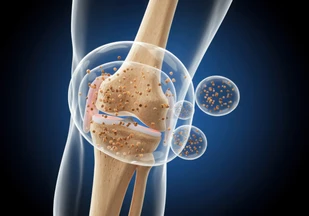
Synovial fluid is found within synovial joints such as the knees, hips, shoulders, elbows, and many of the joints throughout the spine. It creates a lubricating environment between joint surfaces, allowing bones to move with less friction.
One of its important components is hyaluronic acid, a substance capable of binding water and helping synovial fluid maintain its cushioning and lubricating properties.
Healthy cartilage also interacts with synovial fluid. Because cartilage has a limited direct blood supply, movement helps nutrients from synovial fluid reach cartilage tissue while waste products move away.
HYDRATION SUPPORTS JOINT LUBRICATION
Water is essential for maintaining normal fluid balance throughout the body, including within joint tissues. Cartilage contains a significant amount of water, which contributes to its ability to absorb compression and help cushion joints during movement.
Consistent fluid intake, along with adequate electrolytes, supports cellular hydration and provides an important foundation for healthy joint function.
PROTEIN PROVIDES BUILDING BLOCKS FOR CONNECTIVE TISSUE
Joint structures rely on proteins such as collagen for strength and resilience. Dietary protein supplies amino acids the body needs to produce and maintain collagen found within cartilage, tendons, ligaments, and other connective tissues.
Adequate protein becomes especially important for active individuals whose joints and surrounding tissues experience repeated physical stress.
VITAMIN C SUPPORTS COLLAGEN PRODUCTION
Vitamin C is required for normal collagen synthesis. Because collagen is a major structural protein within cartilage and connective tissue, maintaining adequate vitamin C intake helps support the tissues surrounding and protecting the joints.
Vitamin C also provides antioxidant support, helping protect cells and tissues from oxidative stress.
Recommended: Vitamin C 500 mg
OMEGA 3 FATTY ACIDS SUPPORT A HEALTHY INFLAMMATORY RESPONSE
Omega 3 fatty acids, including EPA and DHA, support normal inflammatory balance throughout the body. Maintaining a healthy inflammatory response can help support joint comfort, mobility, and normal tissue function.
Fatty fish such as salmon, sardines, and mackerel provide EPA and DHA, while supplementation can help individuals who do not regularly consume these foods.
Recommended: Superior Omega-3
MOVEMENT AND NUTRITION WORK TOGETHER
Nutrition supplies the materials joints need, but regular movement is equally important. Movement helps distribute synovial fluid across joint surfaces and encourages the exchange of nutrients within cartilage.
For chiropractic patients, combining balanced nutrition and hydration with regular physical activity and appropriate chiropractic care can support healthy joint mechanics and mobility.
NOURISHING JOINTS FOR HEALTHY MOVEMENT
Synovial fluid plays an essential role in keeping joints lubricated, nourished, and capable of moving smoothly. Supporting hydration, consuming adequate protein and vitamin C, and including healthy fats such as omega 3s can help provide the nutritional foundation needed for healthy cartilage and connective tissue.
Supporting joints from the inside through nutrition, while keeping them moving through regular activity, can help maintain mobility and musculoskeletal wellness throughout life.