
Posted by Dee Cee Labs on Jun 16th 2026
How the Mediterranean Diet Supports Healthy Aging and Long Term Wellness
As people age, maintaining strength, mobility, cognitive function, and overall vitality becomes increasingly important. While no single diet can prevent every age-related health challenge, research continues to show that dietary habits play a major role in determining how well we age. One eating pattern that consistently stands out is the Mediterranean diet.
Unlike many trendy diets that focus on restriction or short-term results, the Mediterranean diet emphasizes whole, nutrient-dense foods that support long-term health. Rich in fruits, vegetables, legumes, nuts, whole grains, olive oil, and fish, this dietary approach has been linked to improvements in cardiovascular health, metabolic function, and overall longevity. Emerging research now suggests it may also help older adults remain stronger and more resilient as they age.
WHAT MAKES THE MEDITERRANEAN DIET UNIQUE?
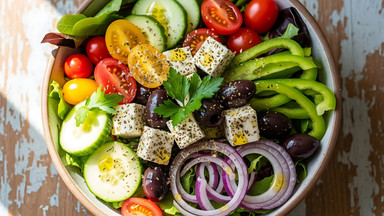
The Mediterranean diet is based on the traditional eating habits of countries bordering the Mediterranean Sea. Rather than focusing on calorie counting or eliminating entire food groups, it encourages the consumption of:
- Fresh fruits and vegetables
- Legumes and beans
- Nuts and seeds
- Whole grains
- Olive oil as the primary fat source
- Fish and seafood
- Moderate amounts of poultry
At the same time, it limits highly processed foods, refined sugars, excessive saturated fats, and large amounts of red meat.
Because of its flexibility and variety, the Mediterranean diet is often easier to maintain than more restrictive eating plans, making it a practical choice for long-term wellness.
BENEFITS FOR HEART AND METABOLIC HEALTH
A meta-analysis published by Cambridge University Press reviewed multiple studies evaluating the effects of the Mediterranean diet on overall health. Researchers found that individuals who consistently followed a Mediterranean-style eating pattern experienced better cardiovascular and metabolic health compared to those consuming more typical Western diets.
The analysis also found that people following the Mediterranean diet tended to live longer and showed promising improvements in aspects of mental wellbeing. These findings continue to support the Mediterranean diet as one of the most extensively researched and beneficial eating patterns available.
THE MEDITERRANEAN DIET AND GUT HEALTH
One of the most exciting areas of recent research involves the relationship between the Mediterranean diet and the gut microbiome.
A study published in Gut Magazine by BMJ Journals examined more than 600 adults between the ages of 65 and 79. Participants who followed a Mediterranean diet rich in fruits, vegetables, legumes, nuts, olive oil, and fish for 12 months experienced measurable improvements in the diversity and health of their gut microbiota.
Researchers also observed reductions in markers associated with frailty, a condition characterized by decreased strength, resilience, and physical function that commonly affects older adults.
These findings suggest that dietary choices may directly influence the health of the gut microbiome, which in turn affects overall health and aging.
UNDERSTANDING THE CONNECTION BETWEEN GUT HEALTH AND FRAILTY
Scientists are increasingly recognizing that gut health influences much more than digestion. The gut microbiome plays important roles in immune function, inflammation regulation, nutrient absorption, and even muscle health.
Research has shown that as people age, changes in gut bacteria may contribute to increased inflammation throughout the body. This chronic, low-grade inflammation is believed to be one of the driving forces behind frailty and age-related decline.
Researchers have suggested that lifestyle factors such as diet, physical activity, medication use, and overall health status may have a greater impact on gut health than aging itself. This means that positive dietary changes can potentially influence how well the body ages.
Because the Mediterranean diet provides abundant fiber, antioxidants, healthy fats, and plant-based nutrients, it creates an environment that supports beneficial gut bacteria while helping maintain healthy inflammatory balance.
A NUTRITIONAL APPROACH TO HEALTHY AGING
Healthy aging involves more than simply adding years to life. It means maintaining strength, independence, mobility, and quality of life for as long as possible.
The Mediterranean diet provides a nutrient-rich foundation that supports multiple aspects of health, including cardiovascular function, metabolic wellness, digestive health, and healthy aging. Its emphasis on whole foods and anti-inflammatory nutrients makes it an excellent dietary approach for adults looking to support long-term wellness.
As research continues to evolve, the evidence increasingly suggests that adopting a Mediterranean-style eating pattern may be one of the most effective nutritional strategies for helping older adults remain active, resilient, and healthy throughout the aging process.