
Posted by Dee Cee Labs on Aug 18th 2026
Nutrients That Help Support Healthy Tendons and Ligaments
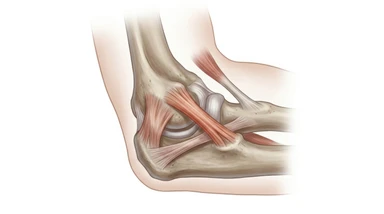
Tendons and ligaments are essential parts of the musculoskeletal system. Tendons connect muscles to bones, while ligaments connect bones to one another and help stabilize joints. Because these tissues are constantly exposed to tension, movement, and physical stress, they depend on proper nutrition to maintain their strength, flexibility, and ability to repair.
For chiropractic patients and active individuals, supporting connective tissue health through nutrition can complement movement, recovery, and joint stability.
Vitamin C
Vitamin C is essential for collagen synthesis, making it one of the most important nutrients for tendon and ligament health. Collagen provides much of the structural framework that gives connective tissues their strength and resilience. Vitamin C also provides antioxidant support, helping protect tissues from oxidative stress associated with exercise and everyday physical demands.
Recommended: Citro-1000 Vitamin C
Zinc
Zinc is involved in protein synthesis, cellular repair, and collagen formation. These functions make it especially important when the body is repairing connective tissues after physical stress. Adequate zinc intake also supports normal immune function, which plays a role in the body's overall recovery processes.
Recommended: Zinc Picolinate
Magnesium
Magnesium supports muscle function, protein synthesis, and hundreds of enzymatic reactions throughout the body. While tendons and ligaments are not muscles, healthy muscle function can influence the amount of tension placed on surrounding connective tissues. Magnesium also helps support normal muscle relaxation and recovery.
Recommended: Magnesium Glycinate
Manganese
Manganese plays an important role in the formation of connective tissue and is involved in enzymes that support collagen and proteoglycan production. Proteoglycans help connective tissues maintain their structure and ability to withstand mechanical stress.
Recommended: Disc-Gard+
Glucosamine
Glucosamine is a naturally occurring compound used by the body to help form components of cartilage and connective tissue. Although it is most commonly associated with joint health, glucosamine can also provide nutritional support for the structures surrounding joints, including ligaments and other connective tissues.
Recommended: Joint Support
MSM
MSM, or methylsulfonylmethane, is a sulfur-containing compound commonly included in connective tissue and joint formulas. Sulfur is needed for the structure of certain amino acids and proteins involved in collagen and connective tissue health. MSM can therefore provide nutritional support for tissue resilience and normal recovery from physical stress.
Recommended: Disc-Gard+
Protein
Protein supplies the amino acids the body uses to build and repair collagen and other structural proteins. Active individuals may have greater protein needs because exercise and repetitive movement increase normal tissue turnover. Consuming adequate protein throughout the day helps provide the raw materials required for tendon, ligament, and muscle maintenance.
Supporting Strong Connective Tissue
Healthy tendons and ligaments rely on more than one nutrient. Vitamin C, zinc, magnesium, manganese, glucosamine, MSM, and adequate protein all contribute to the processes that help connective tissues remain strong and resilient.
Combined with proper hydration, regular movement, appropriate recovery, and chiropractic care, targeted nutrition can help support the connective tissues responsible for joint stability and healthy movement.