
Posted by Dee Cee Labs on Nov 19th 2026
The Vagus Nerve and the Gut-Brain Connection
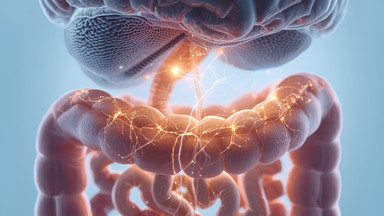
The digestive system and the brain are in constant communication. One of the most important pathways involved in this communication is the vagus nerve, a major nerve that connects the brain with organs throughout the chest and abdomen.
Because of this connection, digestive health can influence nervous system activity, and the nervous system can influence digestion. Together, these interactions are often referred to as the gut-brain connection.
What Does the Vagus Nerve Do?
The vagus nerve is part of the parasympathetic nervous system, which helps regulate many of the body's "rest and digest" functions.
It carries signals between the brain and organs such as the heart, lungs, stomach, and intestines. In the digestive system, vagal signaling contributes to functions such as stomach activity, intestinal movement, and digestive secretions.
The vagus nerve also carries sensory information from the digestive tract back to the brain, making this communication a two-way system.
How the Gut Communicates With the Brain
The digestive tract contains its own extensive network of nerves, often called the enteric nervous system. These nerves work closely with the vagus nerve to help regulate digestive function.
Gut bacteria, digestive activity, immune signals, and compounds produced within the intestines can also influence communication along the gut-brain axis.
This is one reason digestive health is increasingly studied in relation to mood, stress response, and overall nervous system function.
Stress Can Affect Digestion
The connection works in both directions. When the body is under stress, nervous system activity can influence digestion.
Stress may affect appetite, digestive movement, and how comfortable the digestive system feels. At the same time, digestive discomfort can contribute to feelings of stress and influence overall wellbeing.
Supporting relaxation, quality sleep, regular movement, and healthy eating habits can help promote a more balanced environment for both systems.
Nutrition Supports the Gut-Brain Connection
A nutrient-rich diet provides important support for the digestive and nervous systems. Fiber-rich foods help nourish beneficial gut bacteria, while protein provides amino acids used in many cellular and neurotransmitter-related processes.
B vitamins, magnesium, omega 3 fatty acids, and other essential nutrients also contribute to normal nervous system function.
Fermented foods and probiotic-containing foods may provide additional support for a healthy intestinal environment as part of a balanced diet.
Supporting Two-Way Communication
The vagus nerve helps demonstrate just how closely connected the body's systems really are. Healthy digestion can support nervous system wellness, while a balanced nervous system can help promote normal digestive function.
By supporting gut health through nutrition, stress management, sleep, regular movement, and chiropractic care, individuals can help promote healthy communication between the digestive system and the brain.